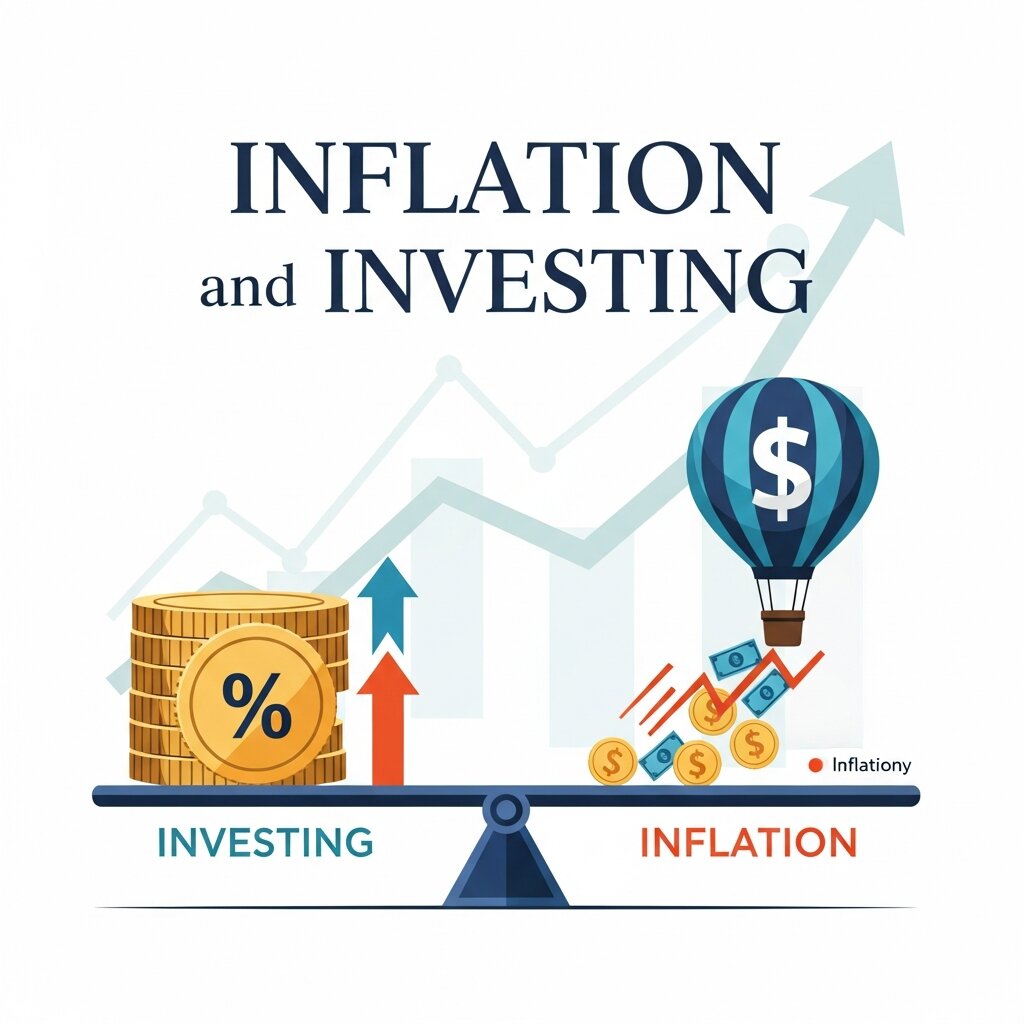
Your savings account feels safe. But there’s a quiet force working against it every single day. That force is inflation, and over time, it can shrink the real value of your money without you ever noticing a single dollar leave your account.
Understanding the relationship between inflation and investing is one of the most important steps you can take toward building lasting wealth. When you grasp how rising prices interact with your investment choices, you can make smarter decisions about where to put your money, how much risk to take, and what to expect from your returns.
This guide breaks down exactly how inflation affects different types of investments, why simply holding cash can cost you, and how to build a strategy that keeps your money growing faster than prices rise. Whether you’re just starting out or looking to sharpen your approach, you’ll walk away with a clearer picture of how to protect and grow your wealth.
What Is Inflation, Really?
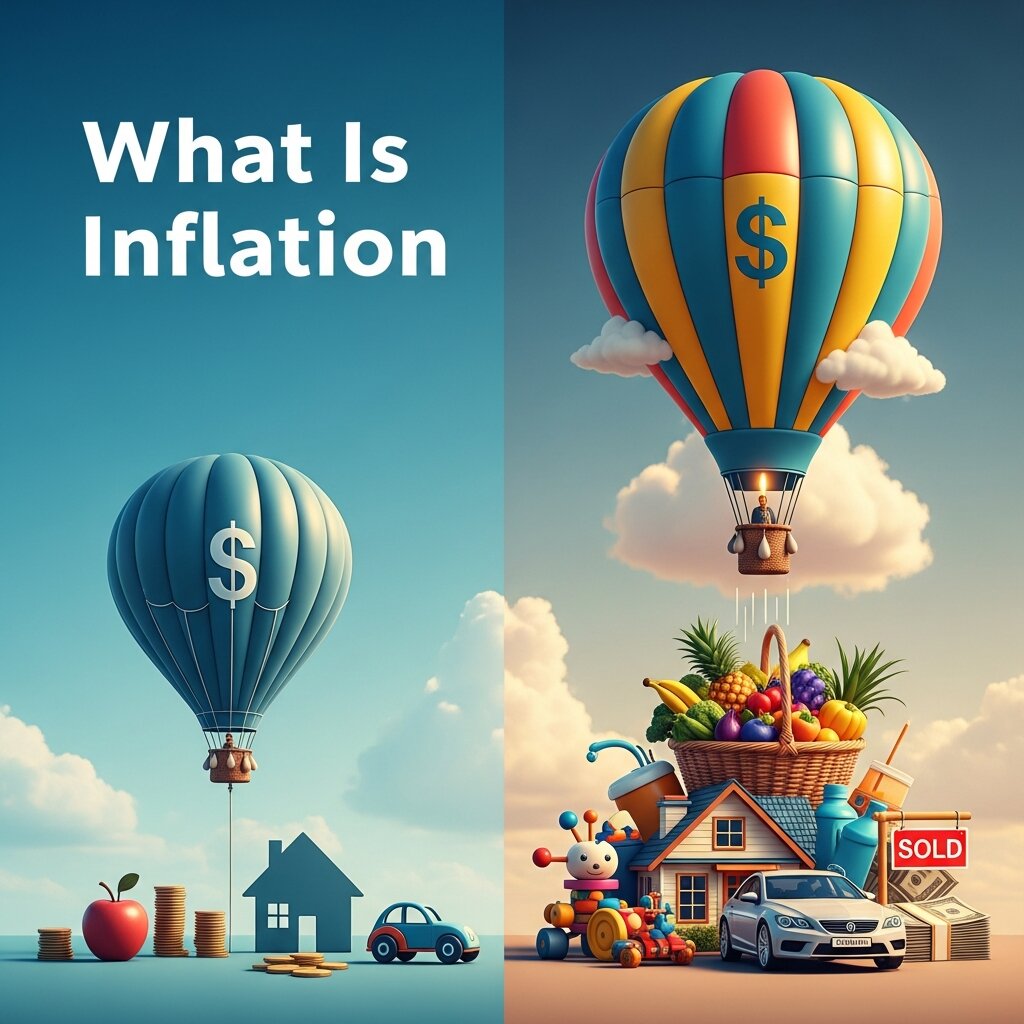 Inflation is the rate at which the general level of prices for goods and services rises over time. When inflation goes up, each dollar you hold buys a little less than it did before. Economists often describe this as a decline in purchasing power.
Picture a simple example. If a cup of coffee costs $3 today and inflation runs at 3% a year, that same coffee will cost about $3.09 next year. It doesn’t sound dramatic. But stretch that over a decade or two, and the effect becomes massive.
Central banks, like the Federal Reserve in the United States, typically aim for a modest inflation rate of around 2% per year. A small amount of inflation is considered healthy for an economy because it encourages spending and investment. The trouble starts when inflation climbs higher and stays there, eroding the value of money faster than wages or savings can keep up.
Why Inflation Is the Enemy of Idle Cash
Here’s the uncomfortable truth. Money sitting in a low-interest savings account is slowly losing value.
Say you keep $10,000 in an account earning 1% interest. After a year, you’ll have $10,100. But if inflation ran at 4% during that same year, the buying power of your money has actually dropped. In real terms, your $10,100 now buys what about $9,700 would have bought a year ago. You technically earned money, yet you became poorer.
This gap between the interest you earn and the inflation rate is known as the real rate of return. When inflation outpaces your returns, your real rate of return is negative. This is precisely why financial experts encourage people to invest rather than let large sums sit idle.
Investing gives your money a chance to grow at a pace that beats inflation. Without that growth, you’re fighting a losing battle against rising prices.
How Inflation Affects Different Types of Investments
Not all investments respond to inflation the same way. Some tend to hold up well when prices rise, while others can suffer. Understanding these differences is key to smart investment risk management.
Stocks and Stock Market Investing
Historically, stock market investing has been one of the most effective ways to outpace inflation over the long run. Companies can often raise their prices when costs go up, which helps protect their profits and, by extension, their stock values.
That said, the relationship isn’t perfectly smooth. High inflation can rattle markets in the short term, especially when it forces central banks to raise interest rates. Higher rates make borrowing more expensive for companies and can slow economic growth. This is why stocks sometimes dip when inflation spikes unexpectedly.
Over longer periods, though, a diversified portfolio of stocks has generally delivered returns that comfortably beat inflation. For investors with a longer time horizon, equities remain a cornerstone of building real wealth.
Bonds
Bonds and inflation often have a tense relationship. When you buy a traditional bond, you lock in a fixed interest payment. If inflation rises after you buy, those fixed payments buy less and less over time. This makes long-term bonds particularly vulnerable to inflation.
There’s a notable exception. Treasury Inflation-Protected Securities, or TIPS, are designed specifically to keep pace with inflation. Their principal value adjusts based on changes in the Consumer Price Index, which helps preserve your purchasing power.
Real Estate
Real estate has long been viewed as a solid hedge against inflation. As prices rise, so do property values and rental income in many markets. Owners of real estate often see the value of their holdings climb alongside, or even faster than, inflation.
Of course, real estate carries its own risks, including interest rate sensitivity and the need for significant upfront capital. It isn’t a guaranteed shield, but it has historically held up well during inflationary periods.
Cash and Cash Equivalents
Cash is the most exposed asset when inflation rises. While it offers safety and liquidity, it generates little to no growth. Keeping a small cash reserve for emergencies makes sense. Holding too much, however, exposes a large chunk of your wealth to the steady erosion of inflation.
Commodities and Gold
Commodities such as oil, agricultural products, and metals often rise in price during inflationary periods. Gold, in particular, has a reputation as a store of value when currencies weaken. These assets can add diversification, though they tend to be more volatile and don’t produce income the way stocks or real estate can.
The Role of Risk Tolerance in an Inflationary Environment
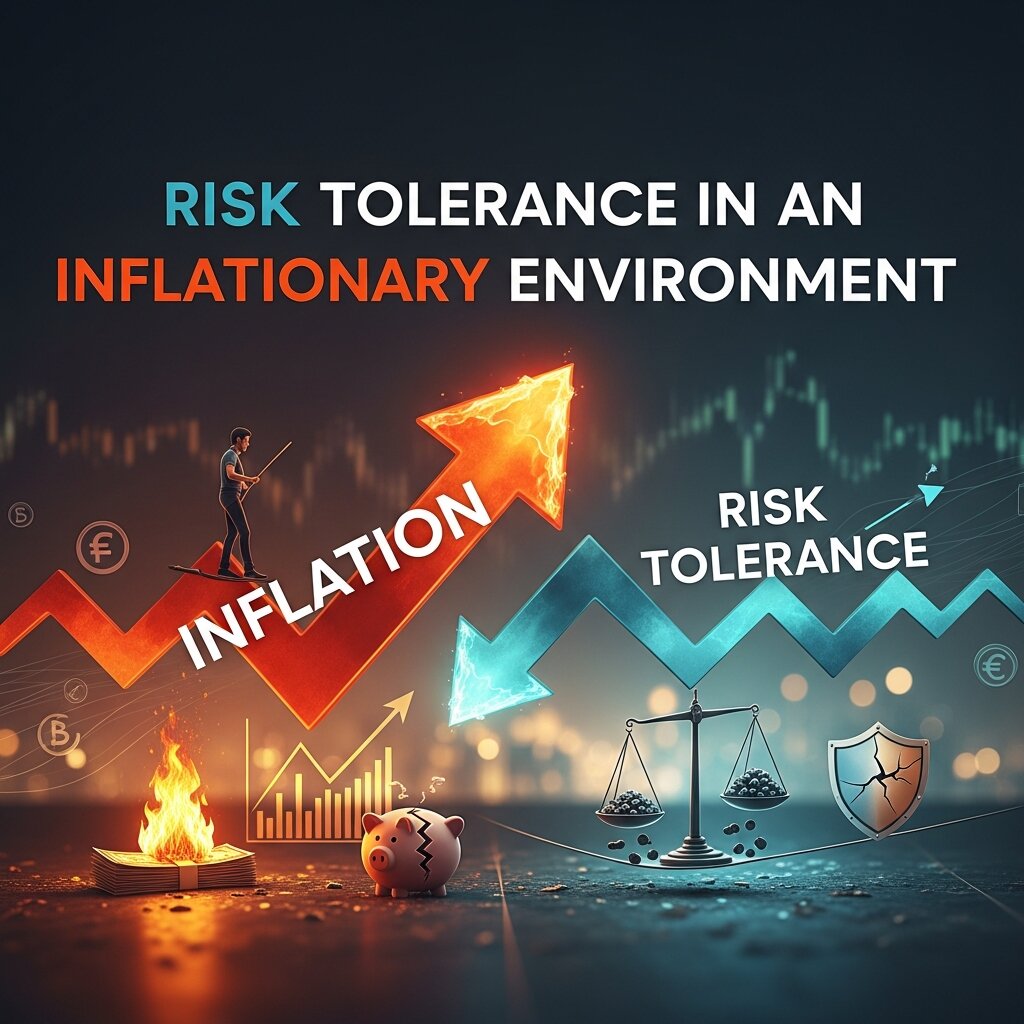 Inflation should shape how you think about risk, but it shouldn’t push you into reckless decisions. Your risk tolerance, meaning how much volatility you can stomach without panicking, plays a central role in how you respond.
When inflation is high, the temptation is to chase higher returns. After all, you need your money to grow faster than prices. But chasing returns without a plan can lead to taking on more risk than you can handle. If markets drop and you sell in a panic, you lock in losses that inflation alone would never have caused.
A balanced approach works best for most people. Younger investors with decades ahead of them can typically afford to weight their portfolios toward growth assets like stocks, which have the best long-term track record against inflation. Those closer to retirement may need a more measured mix, balancing growth with stability to protect what they’ve already built.
The key is honest self-assessment. Ask yourself how you’d feel if your portfolio dropped 20% in a few months. If the answer is “I’d sell everything,” your strategy needs more stability. If the answer is “I’d hold and maybe buy more,” you can likely afford a more aggressive, growth-focused allocation.
Practical Strategies to Protect Your Money From Inflation
Knowing how inflation works is one thing. Putting that knowledge into action is what actually protects your wealth. Here are several proven approaches.
Diversify Across Asset Classes
Spreading your money across stocks, bonds, real estate, and other assets reduces the chance that any single setback wrecks your portfolio. Diversification is a foundational principle of investment risk management because different assets perform differently under the same economic conditions.
Prioritize Growth Assets for Long-Term Goals
For money you won’t need for many years, growth-oriented investments like stocks tend to be your best defense against inflation. Their long-term returns have historically outpaced rising prices by a comfortable margin.
Consider Inflation-Protected Securities
If you want a portion of your portfolio specifically shielded from inflation, TIPS or similar instruments can provide that protection. They won’t make you rich, but they help preserve purchasing power.
Keep Investing Consistently
One of the most powerful tools against inflation is simple consistency. By investing regularly through a strategy known as dollar-cost averaging, you buy more shares when prices are low and fewer when they’re high. Over time, this smooths out market swings and keeps your money working.
Don’t Hold Excess Cash
Maintain an emergency fund covering three to six months of expenses, then put the rest of your investable money to work. Excess cash is the asset most vulnerable to inflation’s slow drain.
Review and Rebalance
Markets shift, and so does inflation. Reviewing your portfolio at least once a year lets you rebalance toward your target allocation and adjust to changing conditions. This keeps your risk level aligned with your goals and your risk tolerance.
How Inflation Shapes Long-Term Wealth Building
 Time changes everything when it comes to inflation and investing. Over a single year, a 3% inflation rate barely registers. Over 30 years, it can cut the purchasing power of your money by more than half if that money isn’t growing.
This is why long-term investors treat inflation as a constant companion rather than an occasional threat. The goal isn’t just to grow your money in nominal terms. It’s to grow it faster than inflation so your real wealth, the actual buying power of your savings, increases over time.
Compounding is your greatest ally here. When your investments earn returns, and those returns earn returns of their own, your money can grow exponentially. Given enough time, compounding growth can dramatically outpace inflation, turning modest, consistent contributions into substantial wealth.
The investors who win this game aren’t usually the ones chasing the hottest stocks or timing the market perfectly. They’re the ones who start early, invest consistently, manage their risk wisely, and let time and compounding do the heavy lifting.
Frequently Asked Questions
1. What is inflation and why does it matter for investors?
Inflation is the increase in prices over time, which reduces purchasing power. For investors, inflation matters because investments must grow faster than inflation to preserve and increase the real value of their money.
2. How does inflation affect stock market investing?
Inflation can cause short-term market volatility, especially when interest rates rise. However, stocks have historically outperformed inflation over long periods, making them one of the most effective investment options for long-term wealth creation.
3. Is keeping money in a savings account enough to beat inflation?
Usually not. Traditional savings accounts often offer interest rates lower than inflation. When inflation rises faster than your savings grow, the purchasing power of your money decreases, reducing its real value over time.
4. Which investments perform best during inflation?
Stocks, real estate, inflation-protected securities, and certain commodities often perform well during inflationary periods. Diversifying across these asset classes can help investors protect purchasing power while reducing overall portfolio risk and market volatility.
5. What is a real rate of return?
The real rate of return measures your investment earnings after accounting for inflation. It reflects the actual increase in purchasing power, helping investors understand whether their investments are genuinely growing wealth or simply keeping pace with rising prices.
6. Are bonds a good investment during inflation?
Traditional bonds can struggle during inflation because their fixed interest payments lose purchasing power. However, inflation-protected bonds, such as TIPS, are designed to adjust with inflation and help preserve investors’ real returns over time.
7. How does risk tolerance affect investment decisions?
Risk tolerance determines how much market volatility an investor can comfortably handle. Understanding your risk tolerance helps you choose investments that match your financial goals, investment horizon, and emotional ability to withstand market fluctuations without making impulsive decisions.
8. Why is diversification important during inflation?
Diversification spreads investments across multiple asset classes, reducing dependence on a single investment. Since different assets react differently to inflation, a diversified portfolio helps manage risk and improves the chances of achieving stable, long-term returns.
9. What is dollar-cost averaging?
Dollar-cost averaging is an investment strategy where you invest a fixed amount regularly, regardless of market conditions. This approach reduces the impact of market volatility and helps investors build wealth consistently over long periods.
10. How can investors protect themselves from inflation?
Investors can protect themselves by diversifying portfolios, investing in growth assets, limiting excess cash holdings, using inflation-protected securities, and maintaining a long-term investment strategy that focuses on steady growth and disciplined risk management.
Putting Knowledge Into Action
Inflation will always be part of the financial landscape. You can’t stop prices from rising, but you can absolutely position your money to grow faster than they do. That’s the heart of the relationship between inflation and investing.
Start by taking stock of where your money sits today. Is too much of it idling in low-interest accounts? Are your investments diversified enough to handle different economic conditions? Does your portfolio match your true risk tolerance and your timeline?