Every investor wants higher returns. Few think carefully about the risks they take to get there. Yet the gap between a successful portfolio and a painful one often comes down to a single discipline: investment risk management.
Risk isn’t something to avoid entirely—it’s something to understand, measure, and control. The most seasoned investors aren’t the ones who dodge every downturn. They’re the ones who know exactly how much they stand to lose, and they plan for it. That mindset turns gambling into strategy.
This guide breaks down what investment risk management actually means, why it matters for anyone serious about stock market investing, and the practical steps you can take to protect your money while still pursuing growth. Whether you’re opening your first general investment account or fine-tuning a portfolio you’ve built over decades, these principles apply.
What Is Investment Risk Management?
Investment risk management is the process of identifying, analyzing, and responding to the risks tied to your investments. The goal isn’t to eliminate risk—that’s impossible if you want any return at all. Instead, it’s about making sure the risks you take are intentional, measured, and aligned with your financial goals.
Think of it as a balancing act. On one side sits potential reward. On the other sits potential loss. Risk management helps you find the point where you’re comfortable with both. A 25-year-old saving for retirement can tolerate far more volatility than a 60-year-old preparing to retire next year. Their risk strategies should look completely different.
Good risk management also keeps emotion out of decision-making. When markets drop, fear pushes people to sell at the worst possible moment. When markets soar, greed tempts them to pour money into overvalued assets. A clear risk framework gives you rules to follow, so you act on logic instead of panic.
Why Risk Management Matters More Than Picking Winners
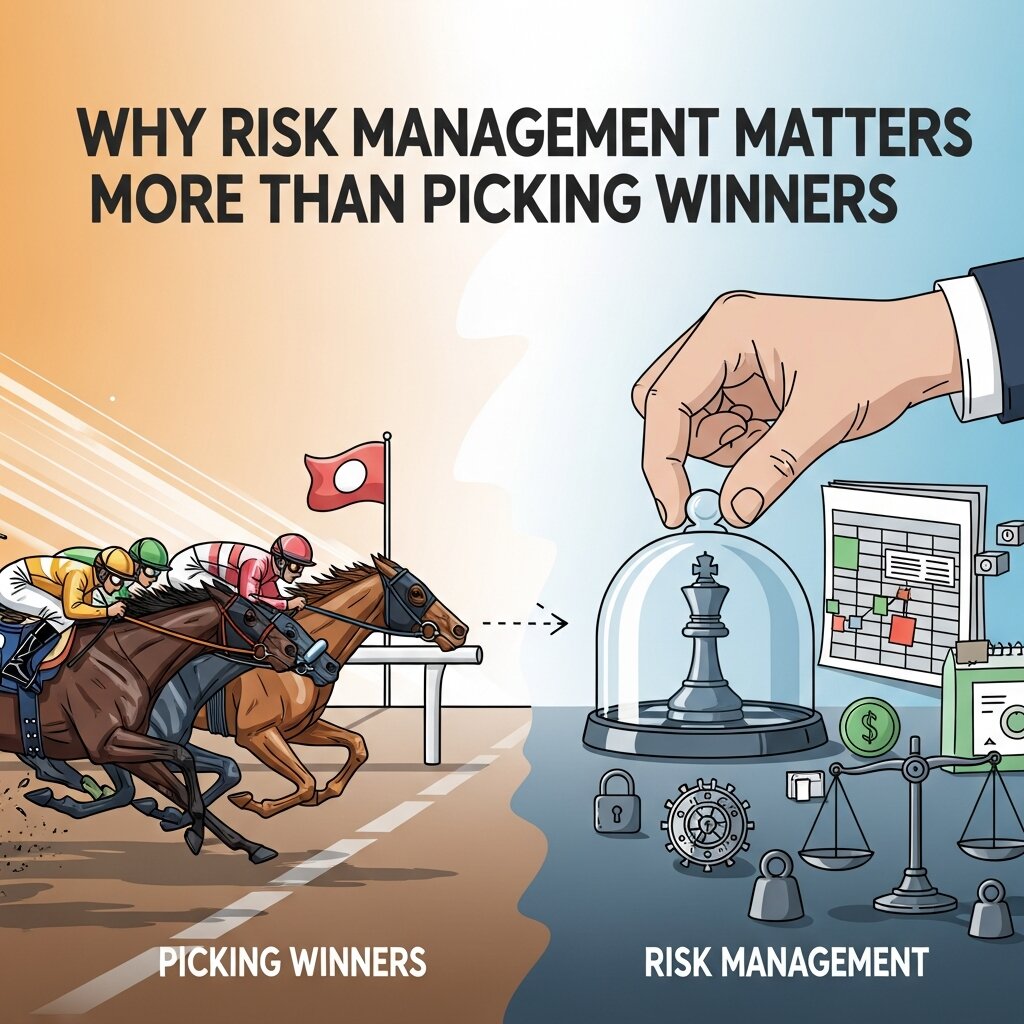 Many beginners obsess over finding the next big stock. They chase tips, follow trends, and hope to time the market perfectly. The truth? Even professional fund managers struggle to consistently beat the market this way.
What separates lasting wealth from short-lived gains is how well you manage losses. A single large loss can wipe out years of careful growth. If your portfolio drops 50%, you need a 100% gain just to break even. That math is brutal, and it’s why protecting your downside matters as much as capturing your upside.
Risk management also keeps you in the game. Investors who blow up their accounts on reckless bets rarely recover. Those who survive market crashes—by sizing positions carefully and diversifying—live to invest another day. Time in the market beats timing the market, but only if you don’t get knocked out early.
The Main Types of Investment Risk
Before you can manage risk, you need to know what you’re facing. Different investments carry different threats, and understanding them helps you build a stronger portfolio.
Market Risk
Market risk is the chance that the entire market declines, dragging your investments down with it. Recessions, interest rate hikes, and global events can all trigger broad sell-offs. No amount of stock-picking skill fully protects you from this, which is why your overall exposure to the market matters so much.
Company-Specific Risk
This is the risk that a single company performs poorly or fails. A weak earnings report, a scandal, or a failed product launch can sink a stock even when the broader market thrives. The good news: you can reduce this risk significantly through diversification.
Inflation Risk
Inflation quietly erodes your purchasing power over time. If your investments earn 3% but inflation runs at 4%, you’re actually losing money in real terms. This risk often gets ignored, especially by conservative investors who keep too much in cash.
Liquidity Risk
Liquidity risk is the danger that you can’t sell an investment quickly without taking a big loss. Stocks in large companies usually sell fast. Real estate, private businesses, or obscure assets can take months to offload, sometimes at a steep discount.
Interest Rate Risk
Changes in interest rates affect nearly every asset class. Rising rates often push bond prices down and can pressure growth stocks. Understanding how rate movements affect your holdings helps you prepare for shifts in the economy.
Core Strategies for Effective Investment Risk Management
Knowing the risks is only half the job. The real value comes from applying strategies that limit your exposure while keeping your growth potential intact. Here are the approaches that matter most.
Diversify Across Assets
Diversification is the closest thing investing has to a free lunch. By spreading your money across different asset classes—stocks, bonds, real estate, and cash—you reduce the impact of any single investment going wrong. When one area struggles, another may hold steady or even rise.
Diversification works within asset classes too. Owning shares in 30 companies across different industries is far safer than betting everything on one or two. The aim is to avoid any single event causing catastrophic damage to your portfolio.
Decide on Your Asset Allocation
Asset allocation is how you divide your portfolio among different types of investments. It’s arguably the most important decision you’ll make as an investor, with research suggesting it drives the majority of long-term returns.
Your allocation should reflect your age, goals, and tolerance for risk. A common starting point is to hold a higher percentage of stocks when you’re young and shift toward bonds as you approach retirement. There’s no perfect formula—what matters is choosing a mix you can stick with through good times and bad.
Position Sizing
Position sizing determines how much money you put into any single investment. Even if you’re confident in a stock, putting half your portfolio into it exposes you to enormous risk. A common rule is to limit any single position to a small percentage of your total holdings, so one bad pick can’t derail everything.
Use Stop-Loss Orders
A stop-loss order automatically sells an investment when it falls to a set price. This caps your loss on a position and removes the temptation to hold a losing stock in hope of a rebound. Stop-losses aren’t perfect—a sudden drop can trigger a sale right before a recovery—but they enforce discipline and protect you from spiraling losses.
Keep an Emergency Fund
Risk management isn’t only about your portfolio. Holding three to six months of expenses in cash means you’ll never be forced to sell investments at a bad time to cover an emergency. This buffer lets your investments ride out volatility instead of getting liquidated under pressure.
Matching Risk to Your Account Type
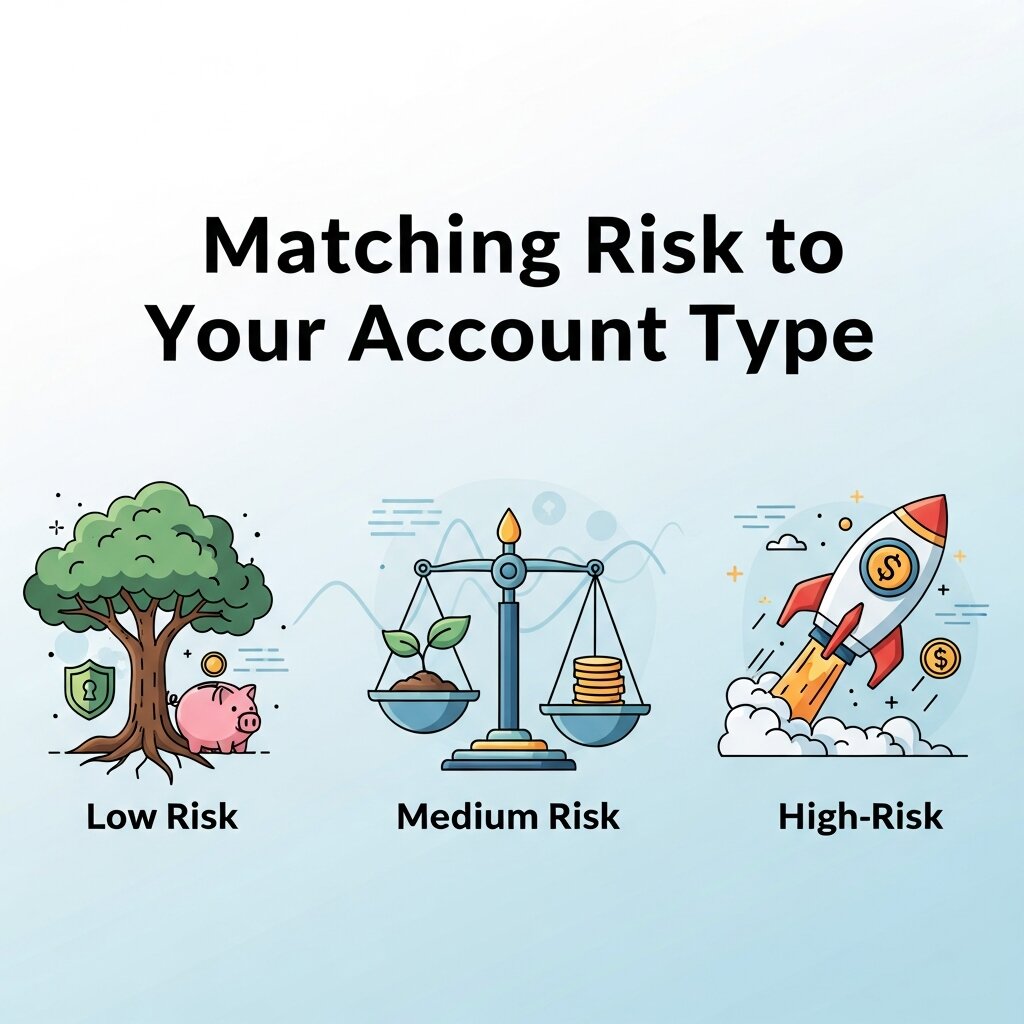 Where you hold your investments affects your risk strategy too. A general investment account offers flexibility, letting you buy and sell a wide range of assets without contribution limits. This freedom makes it popular among investors who want full control over their stock market investing.
That flexibility comes with responsibility. Unlike some tax-advantaged accounts, a general investment account doesn’t shield you from certain taxes, so your decisions carry direct consequences. Treating any source of general investment authority with discipline—rather than impulse—keeps your risk in check across every account you hold.
The key is consistency. Apply the same risk principles whether you’re trading in a retirement account or a taxable one. Your strategy should serve your goals, not the quirks of a particular account structure.
Common Mistakes That Sabotage Risk Management
Even smart investors fall into traps. Recognizing these errors helps you avoid them.
Overconfidence ranks high on the list. After a few winning trades, it’s easy to believe you’ve cracked the code. That false confidence leads to bigger bets and less caution—right before reality strikes.
Emotional investing causes serious damage too. Buying in a frenzy when prices peak and panic-selling when they crash is a reliable way to lose money. A solid risk plan, written down in advance, helps you resist these impulses.
Ignoring fees and taxes is another quiet killer. High fees compound against you over time, eating into returns just as surely as market losses. Always factor these costs into your risk calculations.
Finally, many investors fail to review and rebalance. As markets move, your carefully chosen allocation drifts. A portfolio that started at 60% stocks might creep to 75% after a strong run, exposing you to more risk than you intended. Periodic rebalancing brings it back in line.
Building a Risk Management Plan That Lasts
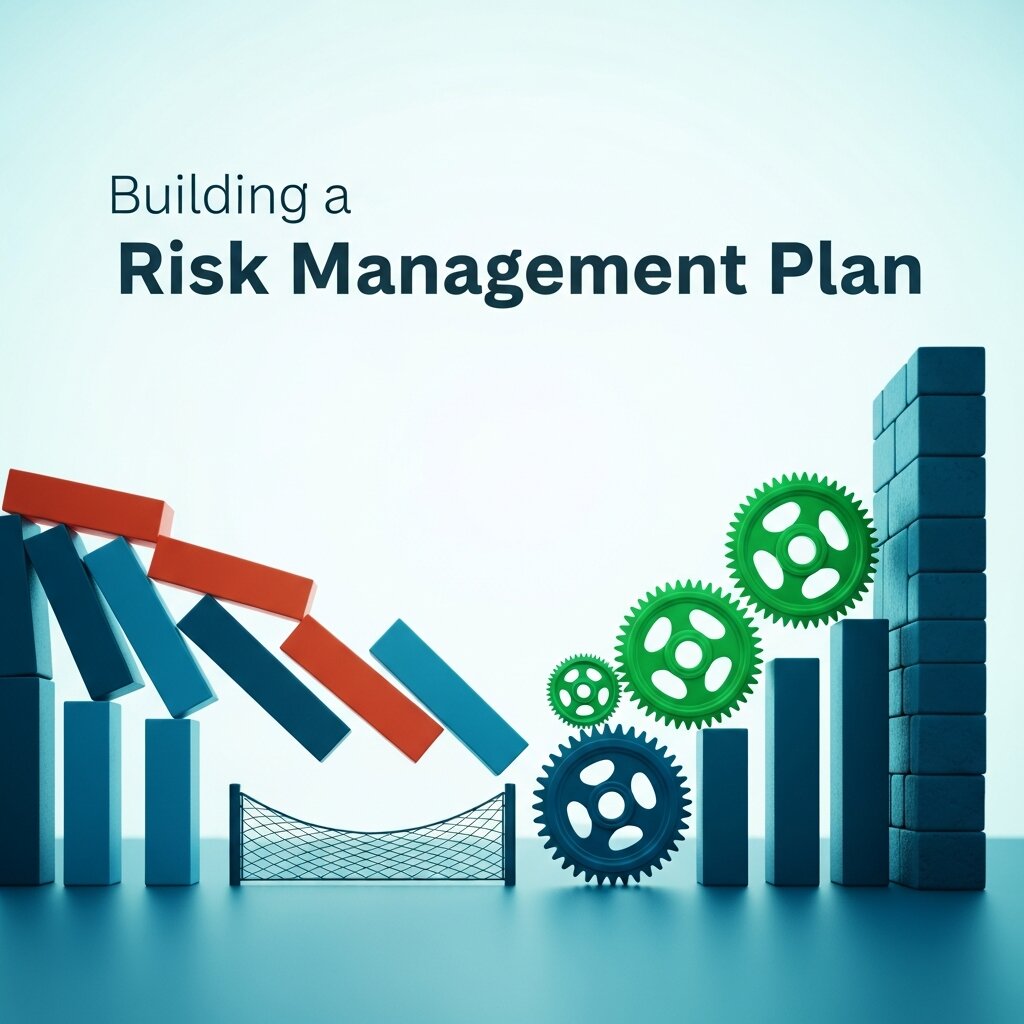 The best risk strategy is one you can actually follow. Start by defining your goals and timeline. Are you investing for retirement in 30 years, or a house deposit in five? Your answer shapes everything that follows.
Next, honestly assess how much loss you can stomach. If a 20% drop would keep you up at night, your portfolio should be more conservative than someone who shrugs off volatility. Match your investments to your real temperament, not the investor you wish you were.
Write your plan down. Include your target allocation, your rules for buying and selling, and how often you’ll review your portfolio. A written plan acts as an anchor when emotions run high, keeping you grounded in your original strategy.
FAQ: Investment Risk Management
1. What is investment risk management?
Investment risk management is the process of identifying, evaluating, and controlling the risks associated with investments. Its goal is to protect your portfolio from excessive losses while helping you achieve your long-term financial objectives.
2. Why is investment risk management important?
Risk management is important because it helps investors minimize losses, avoid emotional decision-making, and maintain a balanced portfolio. Effective risk management can improve long-term returns by protecting capital during market downturns.
3. What are the main types of investment risk?
The major types of investment risk include market risk, company-specific risk, inflation risk, liquidity risk, and interest rate risk. Each type affects investments differently and requires its own management strategy.
4. How does diversification reduce investment risk?
Diversification spreads investments across different asset classes, industries, and regions. This reduces the impact of poor performance from any single investment, helping create a more stable and resilient portfolio.
5. What is asset allocation in investment risk management?
Asset allocation is the process of dividing your investments among various asset classes such as stocks, bonds, cash, and real estate. A well-planned allocation balances risk and return according to your financial goals and risk tolerance.
6. What is a stop-loss order?
A stop-loss order is an instruction to automatically sell an investment when its price falls to a predetermined level. It helps limit losses and removes emotional decision-making during market volatility.
7. How often should I review my investment portfolio?
Most financial experts recommend reviewing your portfolio at least once or twice a year. You should also review it after major life events, significant market changes, or when your financial goals change.
8. Can risk be completely eliminated from investing?
No. All investments carry some level of risk. The purpose of investment risk management is not to eliminate risk entirely but to understand, control, and take risks that align with your financial objectives.
9. What is the biggest mistake investors make regarding risk?
One of the biggest mistakes is taking more risk than they can emotionally or financially handle. Overconfidence, lack of diversification, and making decisions based on fear or greed can significantly damage long-term investment performance.
10. Is investment risk management only for experienced investors?
Not at all. Investment risk management is essential for investors at every level. Beginners can benefit greatly from learning basic risk management principles early, as these habits help build a strong foundation for long-term financial success.
Take Control of Your Financial Future
Investment risk management isn’t the exciting part of investing—but it’s the part that protects everything you build. By understanding the risks you face, diversifying wisely, sizing your positions with care, and sticking to a written plan, you set yourself up for steady, sustainable growth.
The market will always have ups and downs. What you can control is how prepared you are for them. Start small if you need to. Review your current holdings, identify your biggest risks, and make one improvement this week. Disciplined investing, repeated over years, is how ordinary people build extraordinary wealth.