
Discount retail has traditionally relied on a very straightforward business model. Companies build small-format stores in rural or underserved areas, keep overhead extremely low, and offer everyday essentials at rock-bottom prices. For decades, this approach worked flawlessly without the need for complex digital infrastructure. Shoppers walked in, found their favorite items on the shelves, and checked out at a traditional register.
But the landscape of retail is shifting rapidly. Customer expectations are evolving, supply chains are becoming more complex, and operational costs continue to rise. Maintaining a competitive edge now requires more than just real estate and cheap goods. It requires a robust digital strategy capable of streamlining operations from the warehouse to the checkout counter.
This is exactly why we are seeing Dollar General investing in tech. The company operates thousands of stores across the United States, managing an astronomical volume of inventory and a massive workforce. Upgrading the technology that powers these stores is no longer optional. It is a fundamental requirement for sustaining growth, improving profitability, and delivering a better experience for the millions of people who rely on their local store for daily necessities.
By prioritizing technology, the retailer is actively changing how discount stores operate. From automated inventory systems to mobile app integrations, this technological overhaul represents a massive shift in how the company approaches its future. Let us examine the specific ways this strategy is unfolding and what it means for the broader retail industry.
The Strategic Shift Toward Digital Transformation
 The decision to heavily fund digital initiatives marks a turning point for the company. Historically, discount retailers have hesitated to spend capital on cutting-edge technology, preferring to allocate funds directly to store expansion. However, scaling a business to tens of thousands of locations introduces logistical challenges that manual processes simply cannot handle.
A broad general investment in digital infrastructure allows the company to address these friction points. When leadership realized that outdated systems were causing stockouts and frustrating customers, they pivoted. The focus moved toward building a connected ecosystem where data flows seamlessly between suppliers, distribution centers, and store managers.
Overcoming Supply Chain Bottlenecks
Supply chain efficiency is the lifeblood of any retail operation. When a truck is delayed or a warehouse miscalculates stock levels, the impact is felt immediately on the store floor. Empty shelves lead to lost sales and disappointed shoppers.
To combat this, the retailer is deploying advanced supply chain management software. These systems provide real-time visibility into inventory levels across the entire network. If a particular region experiences a sudden spike in demand for paper products or cleaning supplies, the software can automatically reroute shipments to accommodate the shift. This proactive approach prevents shortages and ensures that stores remain properly stocked without holding unnecessary backroom inventory.
Enhancing the In-Store Experience
Walk into a newly updated store, and the changes are immediately apparent. The lighting is often better, the layout is more intuitive, and the checkout process is significantly smoother. These improvements are heavily driven by data analytics.
By analyzing foot traffic patterns and purchase history, the company can optimize store layouts. High-demand items are placed in easily accessible locations, reducing congestion in the aisles. Furthermore, digital displays and electronic shelf labels are gradually replacing paper tags in select formats, ensuring pricing accuracy and freeing up employees to focus on customer service rather than manual data entry.
Key Technologies Driving the Overhaul
 Understanding the scale of Dollar General investing in tech requires looking at the specific tools being deployed. The company is not just buying off-the-shelf software; it is integrating tailored solutions designed specifically for small-format retail environments.
Artificial Intelligence and Inventory Management
Artificial intelligence is playing a massive role in how the company manages its goods. Predictive AI algorithms analyze years of sales data, weather patterns, and local economic indicators to forecast exactly what a specific store will need in the coming weeks.
This hyper-localized approach means a store in coastal Florida might receive different inventory than a store in rural Ohio, entirely based on algorithmic predictions. The AI can also flag discrepancies, alerting store managers if an item is selling slower than expected. This allows the team to adjust promotions or move the product to a more prominent display before it becomes dead stock.
Self-Checkout and Point of Sale Upgrades
One of the most visible changes for the consumer is the modern checkout experience. Long lines have historically been a major pain point in discount retail. To alleviate this, the company has aggressively rolled out self-checkout kiosks across its network.
These kiosks empower customers to scan and bag their own items, drastically reducing wait times during peak hours. Behind the scenes, the updated Point of Sale (POS) systems process transactions faster and sync securely with the central inventory database. Every time a barcode is scanned, the system instantly updates stock levels, triggering automatic reorders when necessary.
Mobile App Enhancements for Shoppers
The smartphone has become a crucial shopping companion. The company’s mobile application is designed to merge the digital and physical shopping experience. Customers can use the app to clip digital coupons, check the availability of specific items at their local store, and even calculate their total cost before reaching the register.
Features like scan-and-go technology take this a step further. Shoppers can scan items with their phone as they walk down the aisle and pay directly through the app. This completely bypasses the traditional checkout line, offering a level of convenience typically associated with high-end grocery chains.
Why Tech Matters for Discount Retailers
You might wonder why a company famous for selling items at incredibly low price points needs such sophisticated technology. The answer lies in margins and scale. When you sell products for just a few dollars, the profit margin on each item is razor-thin.
Competing with E-Commerce Giants
Online shopping has conditioned consumers to expect instant gratification, endless selection, and seamless transactions. Even rural shoppers, who have historically been the core demographic for discount retailers, now have access to fast online delivery.
To remain relevant, physical stores must offer a frictionless experience. Technology allows discount retailers to bridge the gap. By offering services like online ordering with in-store pickup, they provide the convenience of e-commerce without the steep shipping costs. The physical store effectively becomes a hyper-local fulfillment center.
Empowering the Workforce
Retail employees face incredibly demanding jobs. They are responsible for unloading trucks, stocking shelves, assisting customers, and managing the registers. When systems are outdated, these tasks take twice as long.
A significant portion of this general investment in technology is actually an investment in the workforce. Providing employees with handheld digital scanners helps them locate products instantly. Automated scheduling software ensures that stores are properly staffed during busy periods. When employees are given the right tools, morale improves, turnover decreases, and the overall customer experience benefits.
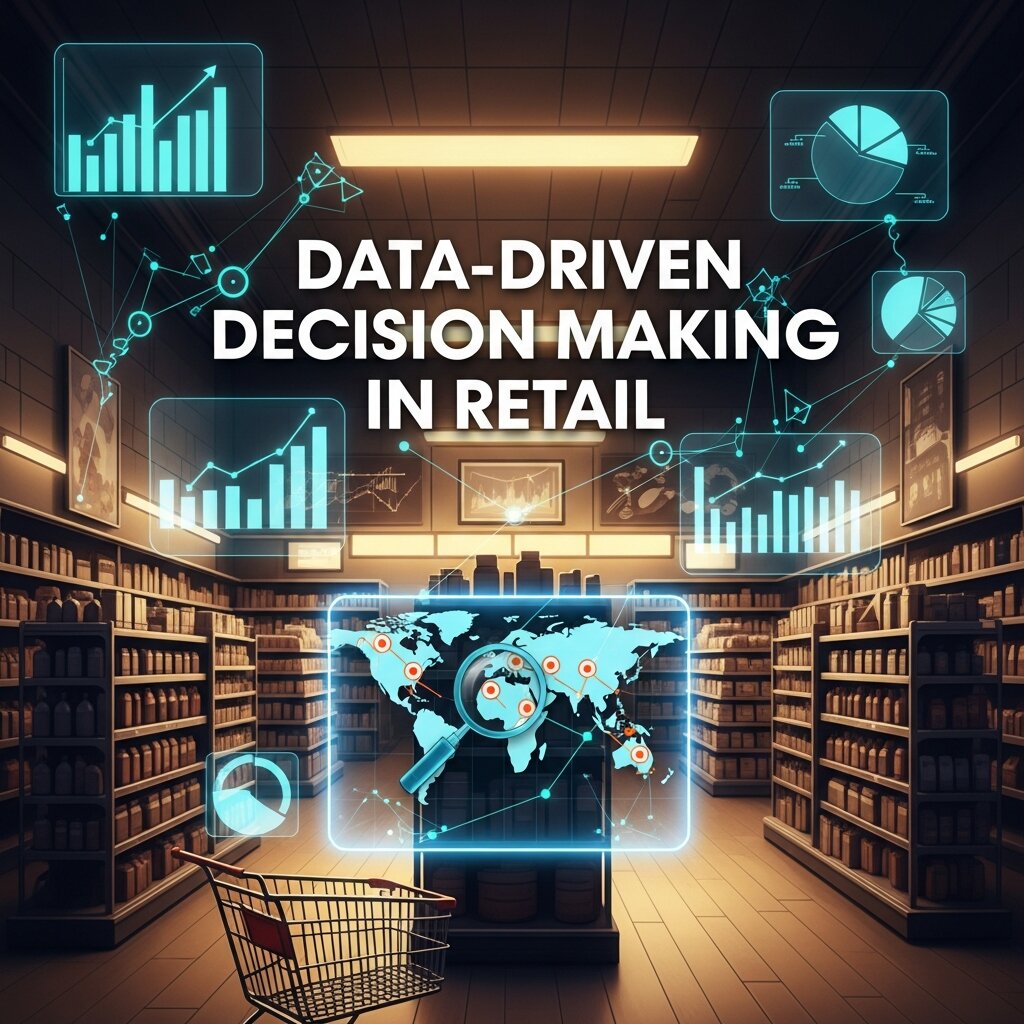 One of the most powerful outcomes of adopting modern technology is the ability to make smarter, data-driven decisions. Retailers can now collect and analyze massive amounts of data from customer purchases, store traffic, and seasonal trends. Instead of relying on guesswork, management teams can use real-time insights to determine which products to promote, which locations need restocking, and how pricing adjustments affect demand. This level of precision reduces waste and increases profitability. It also allows stores to respond quickly to changes in customer behavior. In a fast-moving retail environment, the ability to act on accurate data instantly provides a significant competitive advantage over businesses still relying on outdated systems.
Frequently Asked Questions
What specific technologies is the retailer focusing on?
The company is primarily focusing on artificial intelligence for inventory forecasting, self-checkout kiosks to reduce wait times, supply chain management software to track shipments, and mobile app features like digital coupons and scan-and-go purchasing.
How does this technology affect prices?
By improving operational efficiency and reducing waste, technology actually helps keep prices low. When the company saves money on logistics and inventory management, it can maintain its discount pricing model despite inflation and rising costs in other areas of the business.
Will self-checkout replace human employees?
The goal of self-checkout is to redistribute labor, not eliminate it. While customers handle their own transactions, employees are freed up to focus on stocking shelves, maintaining a clean store environment, and assisting shoppers who need help finding specific items.
Does the mobile app work in rural areas with poor reception?
The company has worked to optimize its mobile app to use minimal data, though an active internet connection is required for features like digital coupons and payment processing. Many stores are also upgrading their internal networking infrastructure to support these digital initiatives.
The Next Era of Retail Operations
The landscape of discount shopping will look drastically different a decade from now. The aggressive strategy of Dollar General investing in tech proves that digital transformation is not reserved exclusively for luxury brands or massive e-commerce platforms. It is a vital component for any business operating at scale.
By utilizing AI to predict inventory needs, deploying mobile apps to engage customers, and upgrading checkout systems to reduce friction, the company is building a highly resilient operational model. This ensures they can continue serving communities effectively while maintaining the low prices their customers expect.