
Building wealth is rarely an accident. It requires deliberate choices, consistent habits, and a solid understanding of how money works. Many people let their savings sit in low-yield bank accounts, missing out on the compounding power of the market. A general investment approach offers a practical pathway to put your money to work, opening doors to long-term financial stability.
Starting your wealth-building journey means familiarizing yourself with the right tools and strategies. You might be wondering about the best accounts to hold your assets or how specific bonds and stocks fit into a broader portfolio. The financial landscape can seem complicated, but breaking it down into manageable concepts makes it highly accessible.
This guide explores the essential components of a robust wealth-building strategy. We will cover the mechanics of a general investment account, examine options like the Legal and General Investment Bond, and look at specific market opportunities, such as how to invest in Dollar General. By the end of this post, you will have a clear roadmap to confidently manage and grow your assets.
What is a General Investment Account?
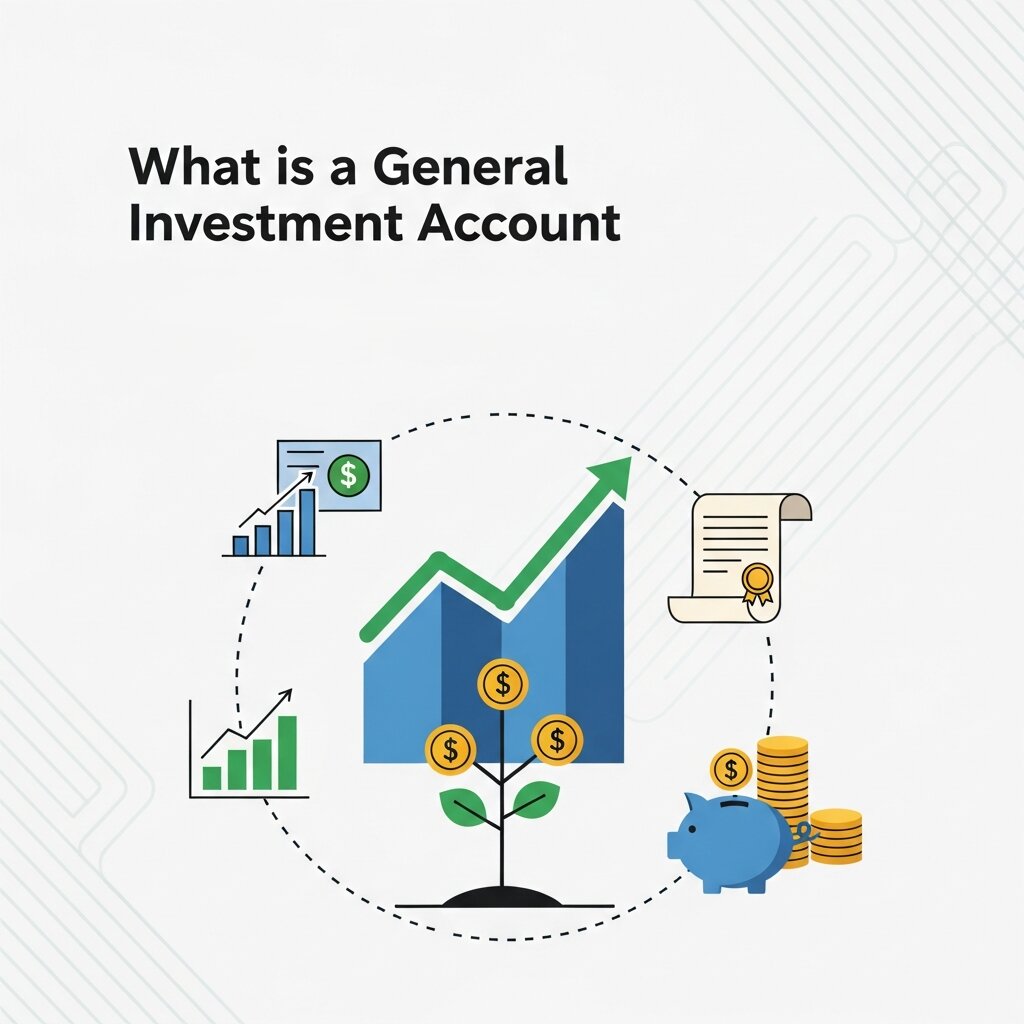 A general investment account (GIA) is a flexible, non-tax-advantaged account that allows you to buy and sell various financial assets. Unlike retirement accounts that restrict when and how you can withdraw your money, a GIA gives you complete control over your funds. You can invest in stocks, bonds, mutual funds, and exchange-traded funds (ETFs) without contribution limits.
Many investors use this type of account once they have maxed out their tax-advantaged options, such as an IRA or a 401(k). Because there is no ceiling on how much you can deposit, it serves as a powerful vehicle for unrestricted wealth accumulation.
General Investment Account Benefits
The primary advantage of a GIA is flexibility. You can access your money at any time without facing early withdrawal penalties. This makes it an excellent choice for medium-term financial goals, such as saving for a home down payment or funding a child’s education before they reach college age.
Additionally, these accounts offer an immense variety of asset choices. You are not locked into a small menu of employer-sponsored mutual funds. Instead, you can tailor your portfolio to match your exact risk tolerance and financial objectives. While you will need to pay capital gains taxes on your profits, the unrestricted access and broad market exposure make the GIA a cornerstone of a well-rounded financial plan.
Exploring Different Investment Vehicles
A successful portfolio relies on diversification. By spreading your money across different asset classes, you reduce risk while maintaining steady growth potential.
The Legal and General Investment Bond
For those looking for a combination of life insurance and investment growth, a Legal & General investment bond can be a strategic addition to your portfolio. These bonds are essentially single-premium life insurance policies that invest your lump sum into a variety of funds.
They are particularly popular for estate planning and tax management. Investors can withdraw up to a certain percentage of their original investment each year without incurring immediate tax liabilities, making it an efficient way to draw a steady income. This vehicle is ideal for individuals with a longer time horizon who want to balance market growth with tax-deferred benefits.
The Role of a General Investment Authority
In some contexts, particularly for businesses, trusts, or public entities, a general investment authority outlines the specific rules and parameters for managing funds. This authority dictates what types of assets can be purchased, the acceptable level of risk, and the ethical guidelines for the portfolio. Even as an individual investor, establishing your own personal “investment authority”—a written policy statement detailing your financial goals and boundaries—can keep you disciplined during market fluctuations.
Stock-Specific Strategies: The Dollar General Example
 While broad market index funds are the foundation of most portfolios, many investors also buy individual stocks to boost their returns. Analyzing a specific company helps you understand broader market trends. Let us look at a well-known retail giant as a practical example.
How to Invest in Dollar General
If you are interested in adding retail exposure to your portfolio, you might want to know how to invest in Dollar General (NYSE: DG). Buying shares of this company is straightforward. First, you need an active brokerage account, which could be your general investment account. Once funded, you simply search for the ticker symbol “DG” and execute a buy order for the number of shares you want.
Before buying, it is crucial to research the company’s financial health. Look at their quarterly earnings reports, their dividend history, and their plans for future expansion. Dollar General has traditionally performed well during economic downturns because consumers actively seek out discount retailers when budgets are tight. This makes it an interesting defensive stock for a diversified portfolio.
Dollar General Investing in Tech
To stay competitive, modern retail requires massive technological infrastructure. You might be surprised to learn about Dollar General investing in tech to streamline its operations. The company has poured resources into artificial intelligence for inventory management, self-checkout kiosks, and advanced supply chain analytics.
By utilizing technology, the company reduces overhead costs and ensures store shelves are consistently stocked with the items customers want most. For investors, this tech-forward approach signals that the company is actively adapting to the modern retail landscape, potentially securing its profitability for years to come.
Core Principles to Grow Your Wealth
Building a portfolio requires more than just picking a few stocks or opening an account. It requires a disciplined approach to the market.
Start Early and Be Consistent
The mathematical power of compound interest is your greatest ally. Even small, regular contributions to your portfolio will grow exponentially over a few decades. Set up automatic transfers from your checking account to your brokerage account every month so you invest consistently, regardless of what the market is doing.
Diversify Your Assets
Never put all your capital into a single sector or asset class. A balanced mix of domestic stocks, international stocks, government bonds, and real estate creates a safety net. If one sector experiences a downturn, the others can help keep your overall portfolio stable.
Keep Your Fees Low
Investment fees eat directly into your returns. Whenever possible, choose low-cost index funds and ETFs over actively managed mutual funds with high expense ratios. Over a twenty-year period, even a one percent difference in fees can cost you tens of thousands of dollars in lost growth.
Understanding Risk Tolerance and Investment Style
 Before building a portfolio, it is essential to understand your personal risk tolerance. Some investors are comfortable with market fluctuations, while others prefer stability and predictable returns. Your risk tolerance depends on factors such as age, income, financial goals, and investment timeline. A younger investor may lean toward higher-risk assets like stocks for long-term growth, while someone nearing retirement may prioritize safer investments like bonds. Defining your investment style—whether aggressive, moderate, or conservative—helps you make consistent decisions. When you align your portfolio with your comfort level, you are less likely to panic during market downturns and more likely to stay committed to your long-term strategy.
The Importance of Market Research and Analysis
Successful investing is not based on guesswork; it requires careful research and analysis. Before investing in any asset, you should understand the market conditions, economic trends, and the performance history of your chosen investment. This includes analyzing company financial statements, industry growth potential, and macroeconomic indicators such as inflation and interest rates. Staying informed allows you to identify opportunities and avoid unnecessary risks. While you do not need to become a financial expert overnight, developing basic research skills can significantly improve your investment outcomes. Reliable information and data-driven decisions give you a strong advantage in building a profitable and sustainable portfolio over time.
Rebalancing Your Portfolio for Long-Term Stability
Over time, your portfolio can drift away from its original allocation due to market performance. For example, if stocks perform well, they may begin to dominate your portfolio, increasing your overall risk. Rebalancing involves adjusting your investments back to your desired allocation. This process helps maintain your risk level and ensures your portfolio remains aligned with your goals. You can rebalance annually or when your asset allocation shifts significantly. It may involve selling overperforming assets and reinvesting in underweighted areas. Although it might feel counterintuitive to sell winners, rebalancing enforces discipline and protects your portfolio from becoming too heavily exposed to one sector or asset class.
The Role of Emotional Discipline in Investing
 Emotions are one of the biggest obstacles to successful investing. Fear during market downturns can lead investors to sell assets at a loss, while greed during market highs can encourage risky decisions. Maintaining emotional discipline is critical for long-term success. A well-defined investment plan acts as your guide, helping you stay focused even when markets are volatile. Avoid reacting to short-term news or sudden price movements. Instead, trust your strategy and make decisions based on logic and long-term goals. Consistency and patience often outperform impulsive actions. By controlling your emotions, you create a stable foundation that allows your investments to grow steadily over time.
Frequently Asked Questions
1. What is a general investment account (GIA)?
A general investment account is a standard brokerage account that allows you to invest in assets like stocks, bonds, ETFs, and mutual funds. It offers full flexibility, meaning you can deposit and withdraw funds at any time. However, unlike retirement accounts, it does not provide tax advantages, so profits are subject to capital gains and dividend taxes.
2. Is a general investment account suitable for beginners?
Yes, a GIA is beginner-friendly because it has no contribution limits and offers access to a wide range of investment options. New investors can start small, learn how markets work, and gradually diversify their portfolio. It is an excellent way to gain hands-on experience without long-term restrictions.
3. What are the risks involved in general investing?
All investments carry some level of risk. Market volatility, economic downturns, and poor asset selection can lead to losses. However, risks can be reduced through diversification, long-term investing, and proper research before making decisions.
4. How much money do I need to start investing?
You can start investing with a small amount, depending on the platform you use. Many brokerage accounts allow you to begin with minimal deposits and even offer fractional shares. The key is consistency rather than the initial amount.
5. What is the difference between stocks and bonds?
Stocks represent ownership in a company and offer growth potential through price increases and dividends. Bonds, on the other hand, are loans you give to governments or corporations in exchange for fixed interest payments. Stocks are generally riskier but offer higher returns, while bonds provide more stability.
6. How does diversification help in investing?
Diversification spreads your investments across different asset classes and sectors. This reduces the impact of a poor-performing investment on your overall portfolio. It is one of the most effective strategies for managing risk and maintaining steady growth.
7. Can I withdraw money anytime from my investment account?
Yes, one of the main advantages of a general investment account is liquidity. You can sell your assets and withdraw funds whenever needed. However, keep in mind that selling investments may trigger taxes on any gains.
8. What is compound interest and why is it important?
Compound interest is the process where your investment earnings generate additional earnings over time. It allows your money to grow exponentially, especially when you invest consistently over a long period.
9. Should I invest in individual stocks like Dollar General?
Investing in individual stocks can offer higher returns, but it also comes with higher risk. It is generally recommended to balance individual stocks with diversified index funds. Proper research and a clear strategy are essential before investing in specific companies.
10. How long should I stay invested?
Investing works best over the long term. While short-term market fluctuations are common, staying invested for several years or decades allows you to benefit from market growth and compounding. Patience and consistency are key to building wealth.
Your Next Steps to Financial Freedom
Mastering your finances does not require a degree in economics. It simply takes a willingness to learn and the discipline to take consistent action. By understanding the tools available to you, from a standard brokerage account to specialized vehicles like the legal and general investment bond, you can construct a portfolio that serves your unique goals.
Take the first step today. Review your current savings, outline your financial targets, and consider opening a general investment account to put your money to work. With a clear strategy and a long-term perspective, financial freedom is well within your reach.