
In today’s digital landscape, savvy investors recognize that the human psyche often plays an equal role to financial metrics when building wealth. Behavioral finance offers a window into how emotions, cognitive shortcuts, and social pressures influence decision-making in markets.
Currently, market volatility and rapid information flows magnify the need for greater self-awareness. This year (2026), more platforms incorporate sentiment analysis and automated alerts to flag potential bias-driven trades before execution. In this article, we’ll explore the core principles underlying behavioral finance, profile the most prevalent mental biases, outline their impact on portfolio performance, and share proven techniques to foster more disciplined, data-driven investing. Whether you’re a seasoned professional or new to the markets, mastering these psychological frameworks can transform impulsive habits into a structured, long-term plan aligned with your financial ambitions.
The Foundations of Behavioral Finance
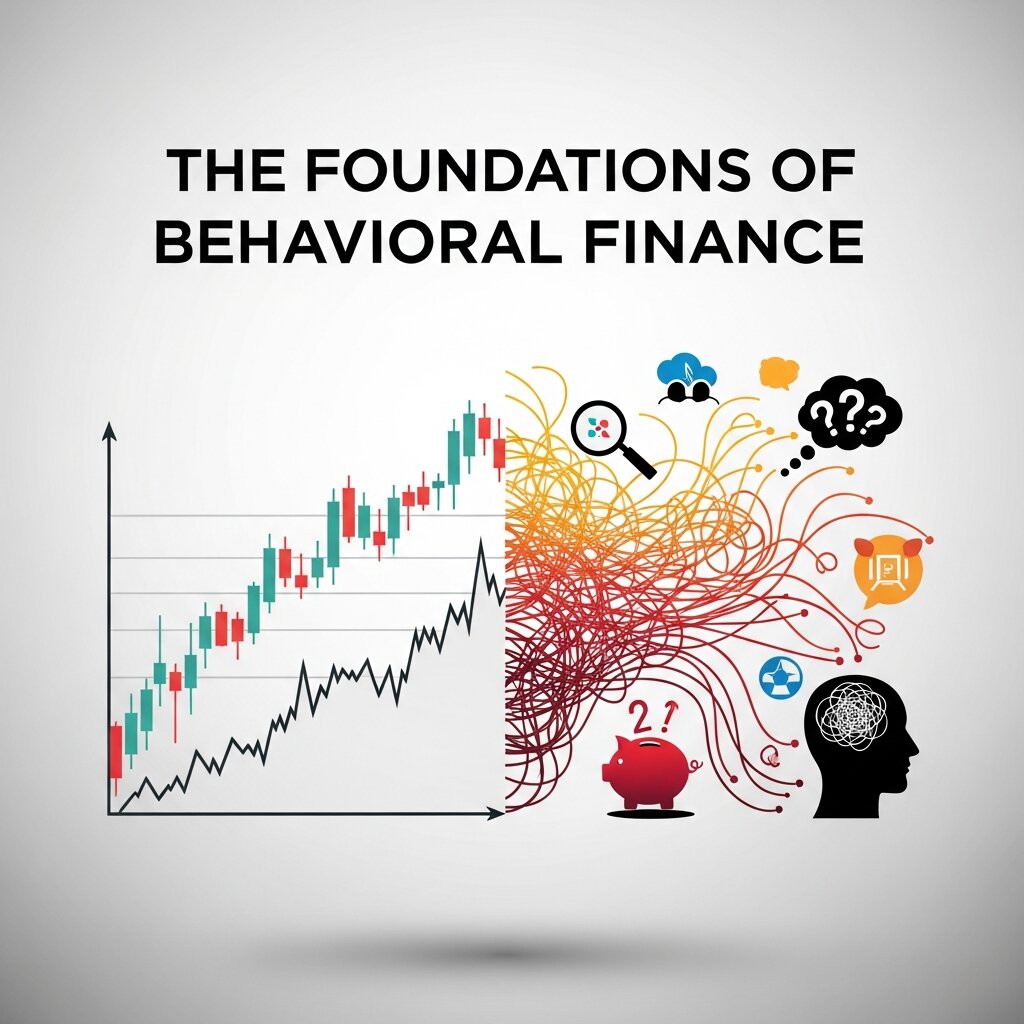 Behavioral finance emerged as a challenge to the Efficient Market Hypothesis (EMH), which asserts that all known information is reflected in asset prices and that investors act rationally. Real-world experience, however, consistently contradicts this assumption. Prices can deviate from fundamentals for extended periods, bubbles inflate, and panics erupt. Behavioral finance integrates research from cognitive psychology and decision theory to explain these anomalies.
At its core, this discipline studies how heuristics—mental shortcuts—shape investor behavior. Nobel laureate Daniel Kahneman and collaborator Amos Tversky introduced Prospect Theory, which highlights that people value gains and losses asymmetrically. While traditional economics suggests a linear relationship between risk and return, behavioral finance uncovers a more nuanced reality: loss aversion causes a sharper emotional reaction to losses than to equivalent gains. Recognizing this pattern helps investors reframe risk management and avoid the paralysis that often follows a drawdown.
Another foundational concept is mental accounting, whereby individuals treat different pools of money as separate, even though rational finance views capital as fungible. This can lead to inconsistent decisions—such as treating a tax refund as “fun money” while being overly conservative with retirement savings. By unpacking these underlying mechanics, behavioral finance provides a roadmap for aligning mental processes with optimal investment principles.
Institutions like the National Bureau of Economic Research and leading universities conduct ongoing studies to quantify the extent of these biases in markets. Today, financial advisors and robo-advisors alike leverage this knowledge to craft portfolios that accommodate human tendencies instead of ignoring them, ultimately enhancing long-term outcomes.
Dominant Cognitive Biases Shaping Investment Behavior

Overconfidence Bias
When investors overestimate their predictive powers, they often trade too frequently and incur excessive fees. Overconfidence bias leads to ill-timed market entries and exits, as individuals believe they can accurately forecast short-term price movements. To counteract this, successful practitioners rely on backtested algorithms and strict rebalancing schedules rather than gut feelings.
Loss Aversion
Prospect Theory teaches that losses weigh about twice as heavily as gains of the same size in our minds. As a result, investors may cling to underperforming assets, hoping for a rebound, while quickly locking in profits on winners. This behavior erodes overall growth potential. Implementing predefined stop-loss limits and reviewing performance over multi-year horizons can alleviate the emotional pain of temporary setbacks.
Confirmation Bias
Confirmation bias drives individuals to seek data that supports their preconceived notions and ignore contradictory evidence. This tunnel vision can solidify flawed investment theses. A practical remedy is to designate a “devil’s advocate” when evaluating opportunities or to maintain a checklist that requires evidence from diverse sources, including opposing viewpoints.
Herd Behavior
Fear of missing out (FOMO) pushes many investors to follow the crowd into surging markets, often near the peak. Whether driven by social media buzz or news headlines, herd mentality can inflate valuations unsustainably. Building a clear, written investment philosophy and consulting independent research—such as studies from the U.S. Securities and Exchange Commission—helps maintain discipline when popular sentiment takes hold.
Framing Effect
The way information is presented influences our choices. Describing a fund with an 80% survival rate sounds more appealing than saying it has a 20% dropout rate, even though both share the same data. Investors who understand the framing effect focus on objective metrics—like risk-adjusted returns—rather than persuasive language.
The Impact of Psychology on Portfolio Performance
Mental biases can subtly distort every aspect of asset allocation. Overconfident traders may overweight speculative positions during bull runs, only to suffer severe drawdowns when trends reverse. Conversely, loss-averse investors might under-allocate equities, sacrificing growth to avoid short-term dips. Confirmation bias can blind participants to warning signs, while herd behavior may lead to chasing momentum at precisely the wrong time.
These psychological pitfalls also influence rebalancing decisions. Investors adhering strictly to target weights realize gains by selling appreciated assets, whereas those swayed by optimism avoid trimming high-flyers, hoping they’ll climb even higher. This departure from a disciplined approach can erode returns over multiple cycles.
By mapping out common cognitive traps, behavioral finance allows practitioners to design rules-based frameworks that anticipate potential mistakes. For example, some funds employ automated rebalancing triggers, while certain platforms offer “bias watch” features that alert users when their trade history suggests emotional trading patterns. Research indicates that portfolios managed under such structured systems often outperform those guided by intuition alone, especially in turbulent markets.
Understanding these dynamics empowers investors to view portfolio performance beyond mere numbers, recognizing how emotions might be inflating risk or eroding returns. In today’s interconnected markets, such self-awareness can be the difference between meeting long-term objectives and falling short.
Effective Techniques to Counteract Biases
Awareness and Continuous Education
The first line of defense is acknowledging that biases exist and affect every decision. Regularly reading contemporary behavioral finance literature—such as works by Daniel Kahneman or Richard Thaler—reinforces this awareness. Attending webinars or enrolling in online courses from reputable institutions further sharpens one’s ability to spot cognitive errors.
Predefined Rules and Checklists
Before initiating any position, define clear entry and exit criteria. Checklists compel investors to verify critical factors—valuation metrics, earnings forecasts, and risk indicators—rather than relying on emotional impulses. Over time, adhering to these standardized procedures builds a habit of scrutiny that curbs rash decisions.
Diversification and Risk Limits
A well-diversified portfolio cushions the impact of any single underperforming asset and reduces the temptation to overreact. Setting maximum position sizes and asset-class exposure limits prevents emotional attachment and encourages a balanced approach that aligns with your risk tolerance.
Mindfulness Practices
Incorporating mindfulness techniques—such as meditation or brief breathing exercises—can interrupt the stress response triggered by market swings. A calm mind is less prone to panic-selling and more capable of sticking to a long-term plan.
Maintaining an Investment Journal
Document the rationale, risk assessment, and emotional state behind every trade. Periodically review these records to identify recurring errors, such as chasing hot sectors or exiting positions prematurely. This feedback loop fosters continuous improvement and self-discipline.
Incorporating Behavioral Strategies into Modern Portfolios
To translate theory into practice, begin by auditing recent trades and flagging those driven by emotion. Then, integrate simple behavioral tools: automate rebalancing on a semiannual basis, cap individual positions to mitigate bias-driven overexposure, and prefer limit orders to reduce impulsive market orders. Over time, these incremental changes compound, leading to more consistent outcomes.
Leading asset managers now embed sentiment analytics and real-time bias detection into trading platforms. Gamified simulations allow investors to practice decision-making in risk-free environments, reinforcing disciplined habits before deploying actual capital. Robo-advisors increasingly offer personalized reports that highlight deviations from pre-established strategies, nudging clients back on course when stress levels rise.
Case studies reveal that adopting such behavioral guardrails can materially improve performance. For instance, an automated stop-loss system might have reduced drawdowns by thirty percent during a sharp sell-off. Similarly, diversifying across uncorrelated assets can smooth returns and ease emotional strain, making it easier to stick to a long-term plan.
In today’s data-rich environment, tapping into these tools allows investors to harness the best of human judgment and machine precision. By acknowledging inherent biases and strategically countering them, portfolios become more robust against both market volatility and psychological pitfalls.
The Psychology of Market Volatility and Panic Selling
 Market volatility often triggers powerful emotional reactions that can override rational investment strategies. Sharp declines create fear, uncertainty, and an urgent desire to “do something,” which often leads to panic selling at the worst possible time. Behavioral finance explains this through loss aversion and recency bias, where recent negative events feel more important than long-term fundamentals. Investors may interpret short-term dips as permanent threats, even when market history suggests eventual recovery. To manage this, successful investors rely on predefined risk rules, diversified allocations, and long-term benchmarks instead of reacting to daily headlines. Understanding the psychology behind volatility helps investors stay calm during downturns, avoid emotionally driven exits, and preserve the discipline needed for wealth creation over multiple market cycles.
Behavioral Finance in Crypto and High-Risk Assets
Behavioral finance becomes even more important in cryptocurrencies and other high-risk assets because price swings are faster, sentiment spreads instantly, and social influence is stronger. FOMO, herd behavior, and overconfidence frequently push investors into late-stage rallies driven by hype rather than fundamentals. Social media trends, influencer opinions, and viral narratives can amplify confirmation bias, causing traders to ignore warning signals. Because crypto markets trade 24/7, emotional fatigue can also lead to impulsive decisions and revenge trading. Applying behavioral guardrails—such as position limits, profit-taking rules, and journaling emotional triggers—is essential in these environments. By recognizing how psychology shapes speculative markets, investors can reduce costly mistakes and approach high-volatility opportunities with greater structure, discipline, and risk awareness.
Long-Term Wealth Building Through Behavioral Discipline
The most successful portfolios are often built not through perfect stock picks, but through consistent behavioral discipline over time. Investors who avoid emotional decision-making tend to stay invested longer, rebalance regularly, and maintain alignment with their financial goals. Behavioral finance highlights that patience, routine investing, and resisting short-term noise are often more valuable than trying to time the market. Strategies like dollar-cost averaging, automated contributions, and goal-based allocation reduce the influence of fear and greed. Over decades, this disciplined behavior compounds into significant wealth growth while minimizing costly impulsive errors. By focusing on process over prediction, investors strengthen their ability to navigate bull and bear markets with confidence, turning behavioral awareness into a sustainable long-term wealth-building advantage.
Frequently Asked Questions
What is behavioral finance?
Behavioral finance blends insights from psychology, economics, and neuroscience to explain how emotions and cognitive shortcuts influence investment decisions, challenging the notion that all market participants act purely rationally.
Which cognitive biases most affect investing?
Some of the most common biases include overconfidence, loss aversion, confirmation bias, herd behavior, and framing effects. These mental shortcuts can lead to suboptimal trading decisions by skewing risk perception and encouraging reactionary moves.
How can investors reduce the impact of these biases?
Investors can mitigate biases by using predefined checklists, setting clear entry and exit rules, diversifying portfolios, practicing mindfulness to curb emotional reactions, and maintaining an investment journal to learn from past mistakes.
Are there tools that help detect biases in real time?
Yes. Many modern trading platforms and robo-advisors offer sentiment analysis dashboards, bias-detection alerts, automated rebalancing triggers, and gamified simulations to train decision-making in a low-risk environment.
Why is herd behavior dangerous in the stock market?
Herd behavior can push investors to buy assets simply because others are buying, often near market peaks. This fear of missing out increases the risk of buying overpriced securities and suffering losses when momentum reverses.
Are robo-advisors useful for avoiding behavioral mistakes?
Yes, robo-advisors help reduce behavioral mistakes through automated portfolio allocation, rebalancing, risk controls, and strategy-based investing decisions that remove emotional decision-making from the process.
What is prospect theory in behavioral finance?
Prospect theory explains how people evaluate gains and losses asymmetrically, placing greater emotional weight on losses than gains. It is one of the foundational theories behind behavioral finance and investor risk behavior.
Conclusion
Behavioral finance shines a light on the invisible forces that shape investment decisions. Acknowledging that emotions and cognitive shortcuts can undermine well-intentioned plans is the first step toward more disciplined, goal-oriented investing. By implementing structured protocols—such as predefined checklists, regular rebalancing, and mindfulness practices—investors can significantly mitigate the impact of biases like overconfidence, loss aversion, and herd behavior.
Leveraging external tools, including bias-detection software and educational resources from top research bodies, further enhances this approach. Embracing these psychological insights transforms reactive trading into a deliberate strategy that adapts to market challenges without succumbing to fear or greed. Ultimately, marrying behavioral frameworks with rigorous analysis positions investors for greater success in today’s dynamic markets.
Read more about this topic: Behavioral Finance: Master Investor Psychology