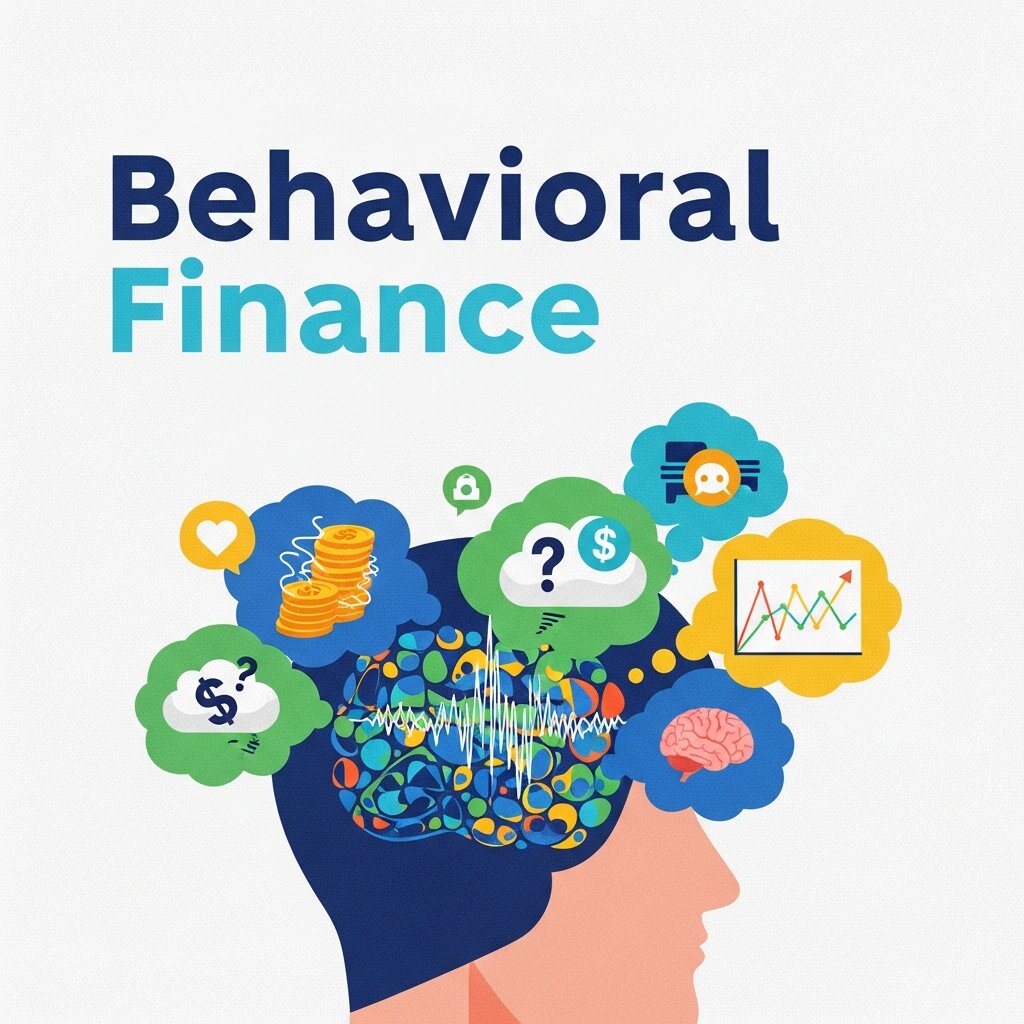
Investing successfully goes beyond number crunching and market analysis; it demands a deep understanding of human behavior. In today’s digital landscape, behavioral finance offers a framework for decoding the psychological drivers that influence our financial decisions. While traditional finance models assume rational actors and efficient markets, reality proves that emotions, mental shortcuts, and social pressures often dictate how investors act.
Currently, many market participants overlook the impact of biases such as overconfidence, loss aversion, and herd mentality. Recognizing these patterns is the first step toward mitigating their effects. This guide explores the core principles of behavioral finance, details prevalent cognitive errors, and presents practical techniques for fostering disciplined decision-making. Drawing on research from the National Bureau of Economic Research (NBER) and regulatory insights from the U.S. Securities and Exchange Commission (SEC), you’ll learn how to build a resilient, emotion-resistant portfolio. Whether you are a seasoned trader or a newcomer, integrating these psychological tools today can elevate your investment performance this year (2026).
Understanding Fundamental Concepts of Behavioral Finance
Behavioral finance challenges the long-held belief that markets always reflect all available information accurately. Instead, it introduces the notion that investors’ choices are influenced by heuristics—mental shortcuts that simplify complex decisions. Pioneers like Daniel Kahneman and Amos Tversky demonstrated that these shortcuts often lead to systematic biases, disrupting market efficiency. By studying how people actually behave, rather than how they should behave in theory, behavioral finance bridges the gap between economics and psychology.
Key concepts include the dual-system framework: System 1 represents fast, intuitive thinking, while System 2 handles deliberate, analytical reasoning. Much of our daily investing relies on System 1, making us prone to errors under stress or uncertainty. Recognizing when you’ve shifted from a deliberate to an automatic response is critical. For instance, reacting instinctively to a sudden market drop can spark panic selling, whereas stepping back to apply a rules-based plan engages System 2 and promotes rational action.
In addition, behavioral finance examines social influences such as peer pressure and media narratives. Herd behavior can drive prices far from intrinsic values, creating bubbles and crashes. By understanding these dynamics, investors can identify contrarian opportunities—for instance, buying when widespread pessimism prevails or trimming positions amid euphoric buying. As you develop your investment approach, integrating behavioral finance principles ensures that your strategies account for both rational analysis and human emotion.
Identifying Common Cognitive Biases in Investors
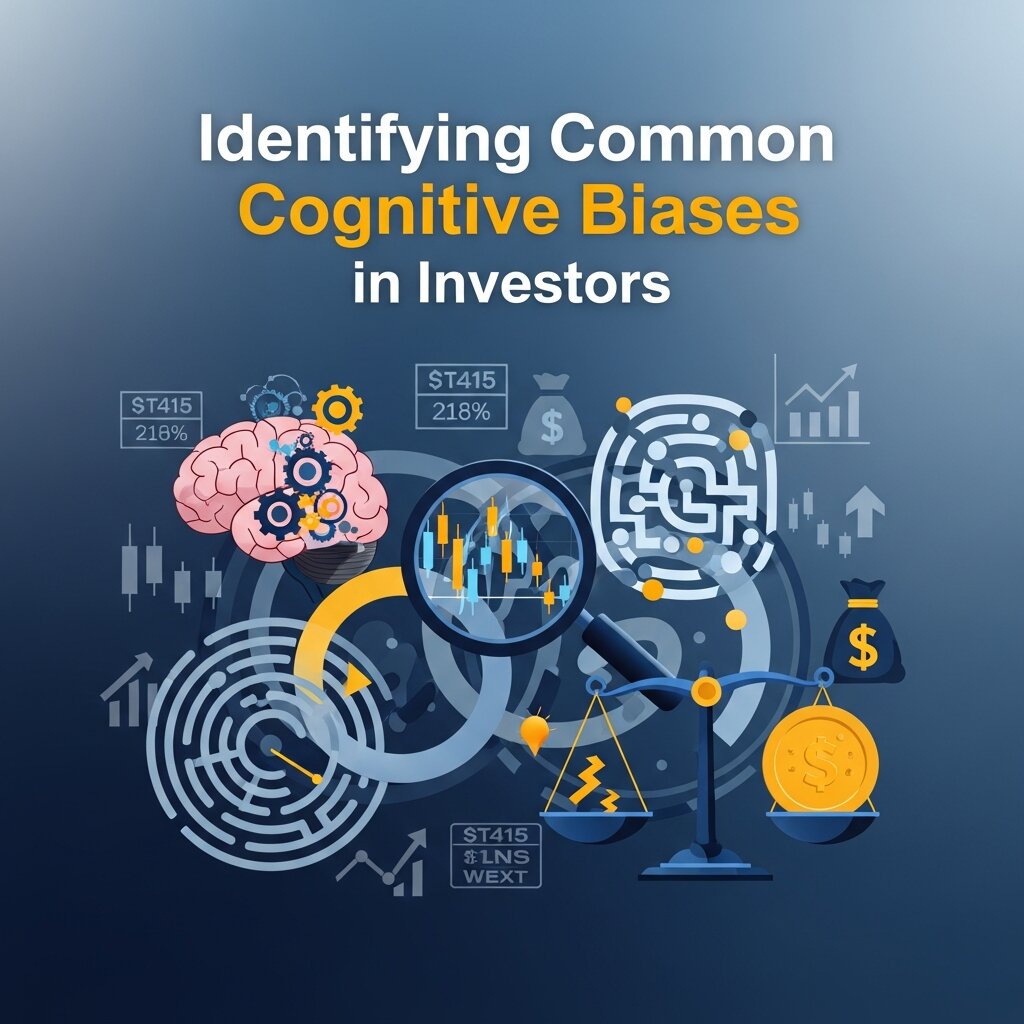
Cognitive biases subtly warp our perception of risk and reward. Overconfidence leads investors to overestimate their ability to predict market movements, often resulting in excessive trading. Research shows that frequent traders underperform buy-and-hold investors due to transaction costs and poor timing. Recognizing overconfidence can prompt you to set realistic performance expectations and adhere to a disciplined plan.
Loss aversion describes how losses hurt approximately twice as much as gains feel pleasurable. This bias can cause an investor to hold onto losing positions too long, hoping for a rebound, while prematurely selling winners to lock in gains. Monitoring your portfolio’s performance metrics rather than subjective feelings can counteract this tendency.
Anchoring occurs when initial reference points—like a stock’s peak price—unduly influence future judgments. If you fixate on a prior high, you may overlook signals that the company’s fundamentals have improved or deteriorated. Regularly reviewing valuation estimates based on updated data helps prevent anchoring traps.
Confirmation bias drives individuals to seek evidence supporting preexisting beliefs while ignoring contradictory information. Creating a research checklist that demands consideration of opposing viewpoints reduces this effect. Lastly, herd mentality spurs investors to follow the crowd, amplifying market swings. Recognizing when collective optimism or fear reaches extremes can reveal moments to enter or exit positions against the prevailing trend.
The Role of Emotions in Market Cycles
Market cycles are heavily influenced by collective sentiment—emotions that shift from hope and greed during rallies to fear and panic in downturns. Understanding this emotional arc helps investors spot turning points. During exuberant upswings, valuations often detach from fundamentals as optimism overrides caution. Conversely, during deep sell-offs, undervaluation may present buying opportunities when fear peaks.
Emotions are contagious; headlines, social media, and peer discussions feed into a feedback loop that heightens volatility. By monitoring sentiment indicators such as the CBOE Volatility Index (VIX) and mutual fund flow data, you can gauge when fear or greed has become excessive. Academic studies from institutions like Harvard University highlight how extreme sentiment readings often precede market reversals.
Handling these emotional swings requires self-awareness and preparation. Journaling your reactions to significant market events provides insight into habitual responses. When you notice patterns—like anxiety prompting snap trades—you can implement cooling-off periods or predefined stop levels. Automation tools, including robo-advisors and algorithmic rebalancing, remove impulse from routine adjustments, ensuring your portfolio aligns with long-term objectives even in choppy environments.
Effective Strategies to Mitigate Biases
Developing a robust framework is essential to counteract cognitive pitfalls. Begin by crafting a written investment policy statement that outlines target allocations, rebalancing thresholds, and risk parameters. This rules-based plan guides decisions during high-stress moments, preventing emotional deviations from your strategy.
Implementing checklists before trades ensures you assess valuation metrics, market context, and potential biases. A pre-mortem exercise—imagining reasons for an investment’s failure—helps reveal blind spots and tempers overconfidence. Embracing diversification across asset classes, sectors, and geographies further dilutes the impact of a single mistake.
Automation serves as another powerful tool. Platforms with behavioral analytics can nudge you when deviations from your plan occur. For example, if your equity allocation drifts beyond set limits, automated rebalancing restores balance without requiring a subjective decision during turbulent markets.
Finally, seek out contrarian perspectives. Regularly consult research from diverse sources, including government agencies like the Federal Reserve (Federal Reserve), and engage in constructive debates with peers who challenge your assumptions. This practice disrupts echo chambers and sharpens your analytical rigor.
Integrating Behavioral Insights into Portfolio Management
Applying behavioral finance to portfolio management enhances both tactical moves and strategic planning. Sentiment-based indicators, such as put-call ratios and fund flow statistics, provide real-time gauges of market emotion. When combined with fundamental analysis—earnings trends, valuation ratios, and macroeconomic data—you obtain a comprehensive view that balances quantitative and psychological signals.
Risk management techniques benefit from behavioral insights as well. Position-size guidelines rooted in volatility and drawdown limits prevent emotional overexposure to any single holding. By framing losses within a probabilistic context, you maintain perspective during adverse periods and refrain from reactionary measures.
Regular performance reviews—conducted quarterly or semi-annually—allow you to evaluate both results and decision processes. Documenting the rationale behind trades, including anticipations of market behavior, creates a decision journal. Over time, analyzing this record uncovers recurring biases and areas for improvement.
Finally, fostering a growth mindset anchors continuous learning. Dedicate time each month to read new studies from academic journals or attend webinars offered by reputable institutions. This commitment to ongoing education reinforces resilience and adaptability, essential traits for navigating market complexities in today’s ever-evolving environment.
Emotional Discipline in Investment Decision-Making
Successful investing requires strong emotional control, especially during volatile market conditions. Investors often make impulsive decisions driven by fear or excitement, which can lead to poor timing and unnecessary losses. By developing structured routines and sticking to predefined strategies, individuals can reduce emotional interference in financial decisions. Techniques like journaling investment choices and setting fixed entry or exit rules help maintain discipline. Over time, emotional awareness allows investors to recognize behavioral triggers before acting on them. This leads to more consistent performance and helps build a stable mindset that supports long-term financial growth and reduces reaction-based mistakes in unpredictable markets.
Bias-Aware Portfolio Construction Strategies
Building a strong portfolio involves more than diversification; it requires awareness of psychological biases that distort judgment. Investors often overweight familiar assets or recent winners due to familiarity bias and recency effects. A bias-aware approach encourages structured allocation across different asset classes, industries, and regions to reduce emotional concentration risk. Regular portfolio reviews based on objective metrics rather than intuition help maintain balance. Using predefined allocation rules ensures decisions are based on strategy rather than short-term sentiment. This disciplined structure improves consistency, reduces regret-driven decisions, and strengthens overall portfolio resilience during both bullish and bearish market phases.
Data-Driven Sentiment Interpretation in Markets

Market movements are heavily influenced by collective investor sentiment, which can shift rapidly between optimism and fear. Understanding these emotional cycles helps investors anticipate potential turning points. By analyzing sentiment indicators such as trading volume changes, volatility indices, and fund flow patterns, investors can gain insights into market psychology. This approach reduces reliance on guesswork and improves timing decisions. Combining sentiment data with fundamental analysis creates a more balanced investment perspective. It also helps identify when markets may be overreacting, allowing for more informed and strategic positioning during periods of irrational behavior or extreme market reactions.
Structured Decision Frameworks for Risk Control
A structured decision framework helps investors reduce uncertainty and maintain consistency in their choices. Instead of reacting emotionally to market changes, predefined rules guide buying, selling, and holding decisions. These frameworks often include risk thresholds, allocation limits, and scenario planning methods. By evaluating potential outcomes before acting, investors can avoid impulsive mistakes. This systematic approach also improves accountability, as every decision follows a documented logic. Over time, structured frameworks enhance confidence and reduce stress during volatility. They serve as a protective layer against emotional trading, ensuring that investment behavior remains aligned with long-term financial goals.
Continuous Behavioral Self-Assessment in Investing
Long-term investment success depends on constant self-evaluation and improvement of decision-making habits. Reviewing past trades and analyzing behavioral patterns helps identify recurring mistakes such as overtrading or panic selling. Keeping a structured decision log allows investors to track emotional influences and refine strategies over time. Regular reflection builds awareness of psychological tendencies that may affect judgment. This ongoing learning process strengthens discipline and adaptability in changing markets. By combining experience analysis with updated financial knowledge, investors can gradually reduce bias-driven errors and develop a more rational, consistent, and effective investment approach.
Contrarian Thinking for Smarter Market Positioning
Contrarian investing focuses on making decisions that go against prevailing market sentiment when data supports it. When most investors act on fear or greed, prices often move away from true value. By analyzing market extremes, investors can identify opportunities where assets may be undervalued or overhyped. This approach requires patience, research discipline, and emotional control to avoid following the crowd. Contrarian thinking does not mean always opposing the market, but rather evaluating whether consensus is justified. Over time, this mindset helps investors enter positions early during pessimism and avoid overpaying during euphoric phases, improving long-term risk-adjusted returns.
Robo-Advisors: Automated Investment Systems for Smarter Financial Control
Robo-advisors function as automated investment systems that manage portfolios using algorithm-driven models instead of human decision-making. They evaluate investor profiles, including risk appetite, financial goals, and investment duration, to create a balanced and diversified asset allocation. These systems continuously monitor market changes and automatically rebalance portfolios to maintain stability and alignment with long-term strategies. By removing emotional influence from investment decisions, they help reduce common behavioral errors such as panic selling, overtrading, or chasing market trends. This structured automation ensures consistency, improves efficiency, and supports disciplined wealth building, making investing more accessible and less stressful for both beginners and experienced investors.
FAQ
What is behavioral finance?
Behavioral finance is the study of how psychological influences and biases affect investors’ decisions and market outcomes, combining insights from psychology and economics to explain why people sometimes act irrationally in financial contexts.
How can I identify my own cognitive biases?
Start by keeping a decision journal, noting your reasoning for each trade or investment, then periodically review your entries to spot patterns such as overconfidence, loss aversion, or anchoring that may have influenced your actions.
What tools can help mitigate emotional decision-making?
Rules-based frameworks like investment policy statements, pre-trade checklists, automation tools for portfolio rebalancing, and sentiment indicators such as the VIX can all help remove emotion from decision-making processes.
Conclusion
Behavioral finance underscores that the most formidable challenge in investing lies within—our own minds. By recognizing the cognitive biases that skew judgment, integrating rules-based frameworks, and leveraging technological tools, you can transform psychological weaknesses into strategic advantages. Through intentional practices such as checklists, pre-mortems, and decision journals, and by consulting authoritative sources like the SEC and Federal Reserve, you position yourself to make more rational, disciplined choices.
Embracing these principles today and committing to continuous self-assessment fosters an emotion-resilient portfolio capable of weathering market turbulence. In this year (2026), prioritize understanding your behavioral tendencies as fervently as you analyze financial statements. This integrated approach offers the clarity and confidence needed to pursue long-term investment success and thrive in today’s dynamic markets.